Land Safety Solutions: Securing Land Through Strategy, Systems, and Control
Owning land is a powerful investment decision, but protecting it requires more than occasional visits or basic fencing. In many growing regions, land-related issues arise not from sudden invasion but from gradual oversight gaps. Unverified survey alignment, informal shortcuts created across plots, unnoticed utility markings, temporary worker shelters nearby, or shifting ground references can slowly compromise property clarity.
This is why structured Land Safety Solutions are essential — not as a reaction, but as a planned protection framework.
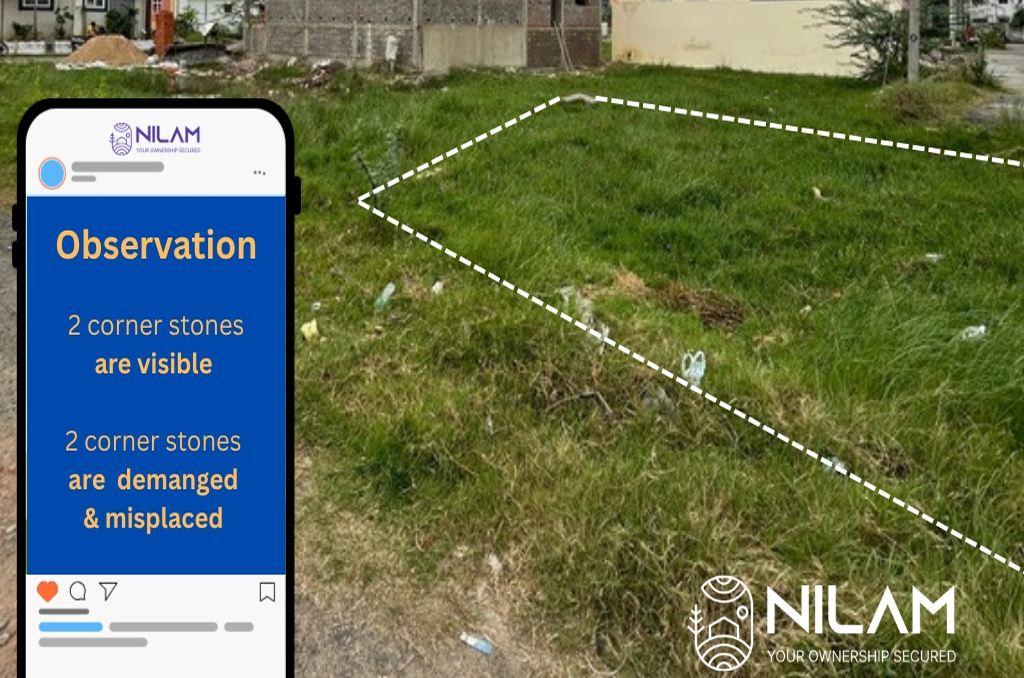
Effective land safety begins with analytical site assessment. Instead of simply checking whether a boundary exists, the focus is on confirming whether it aligns correctly with survey references, layout plans, and adjoining properties. Identifying discrepancies early prevents future measurement disputes.
Another key component is perimeter integrity evaluation. It is not enough to install fencing — its alignment, tension strength, corner anchoring, and long-term durability must be assessed. Weak junction points, loose wiring, or unmarked boundary transitions often become entry opportunities. Strengthening these vulnerable points significantly improves control.
Land safety also includes visibility planning. A secured property should be clearly identifiable from the outside. Installing structured identification boards with survey details, ownership reference, and private property notices enhances legal visibility and discourages unauthorized use. Clear communication reduces misunderstanding.
Environmental management is equally important. Uneven land edges, unmanaged shrub growth, erosion channels, or stagnant water zones can blur boundaries and invite informal usage. Addressing these aspects enhances not just protection, but also the land’s presentability and value perception.
Documentation in land safety solutions should follow a system-based approach — inspection logs, perimeter condition records, risk categorization, and corrective action tracking. This creates continuity. Instead of isolated reports, the land develops a traceable safety history.
Finally, controlled oversight ensures sustainability. Land security should adapt to surrounding development patterns, infrastructure changes, and neighborhood expansion. A proactive monitoring cycle keeps the property aligned with its evolving environment.
Land Safety Solutions are not about reacting to encroachment — they are about eliminating vulnerability. Through structured assessment, perimeter reinforcement, visibility planning, environmental management, and systematic documentation, land remains secure by design.Because protected land is not maintained by chance — it is secured through disciplined strategy.
#LandSafetySolutions #StrategicLandProtection #PerimeterIntegrity #PropertyRiskControl #BoundaryManagement #VacantLandSecurity #LandAssetSecurity #SurveyVerification #EncroachmentControl #RealEstateProtection #SecureLandStrategy